How Viral Videos Take Over Social Media — And Why We Can’t Stop Sharing Them
It starts with one video. A dog doing something unexpected, a street musician with an incredible voice, a five-second clip that makes no sense out of context. Within hours, it has been watched millions of times, remixed, reacted to, and argued about in the comments. Viral videos are the heartbeat of modern social media — and they have changed how we discover news, music, humor, and even each other. In this article, we look at how viral videos take over social media, and why we simply cannot stop sharing them.

What Makes a Video Go Viral?
A viral video is not just a popular video. It is a video that spreads through sharing, not just through being shown to people. Someone watches it, sends it to a friend, and that friend sends it to three more people. The video jumps from one circle of friends to another, and from one platform to another — from TikTok to Instagram to group chats to the news. The most successful viral videos share a few traits: they are short, they are easy to understand without sound or context, and they contain a moment that makes people react immediately.
Surprise is one of the strongest ingredients. A video that takes an unexpected turn — a plot twist in the last three seconds, a skill nobody saw coming — makes viewers want to show it to someone else just to see their reaction. Emotion matters too: videos that make us laugh, feel moved, or feel amazed are shared far more than videos that simply inform us.
The Psychology: Why We Share Videos
We share videos for the same reasons we share stories: to connect, to entertain, and to say something about ourselves. Sending a funny video to a friend is a small act of friendship. Sharing a moving video shows what we care about. Sharing a clever video shows we have good taste. In each case, the video is a tool for communication — a shortcut that says in thirty seconds what would take us much longer to explain in words.
There is also a powerful social pull. When a video is everywhere, watching it becomes a shared experience, like watching a big sports match or a popular TV finale. We want to be able to join the conversation, understand the jokes, and recognize the references. That is the same human pattern behind every trending story — as we explored in our guide to why stories go viral, the desire to belong is one of the strongest forces on the internet.
The Algorithm: Watch Time Is King
Behind every viral video is an algorithm deciding who sees it next. On TikTok, YouTube Shorts, and Instagram Reels, the key signal is watch time: how long people keep watching, and whether they watch to the end. A video that holds attention for its full length tells the platform that viewers like it, and the platform shows it to more people. Likes, comments, and shares add to the signal, but watch time is the one that matters most.
This is why viral videos are so often short and fast-paced. Creators have learned to hook viewers in the first two seconds, to cut out anything boring, and to end with something worth rewatching. The algorithm rewards videos that people watch more than once — and a thirty-second video that gets watched twice counts for more than a five-minute video that gets abandoned halfway through.
The Creators Behind the Clips
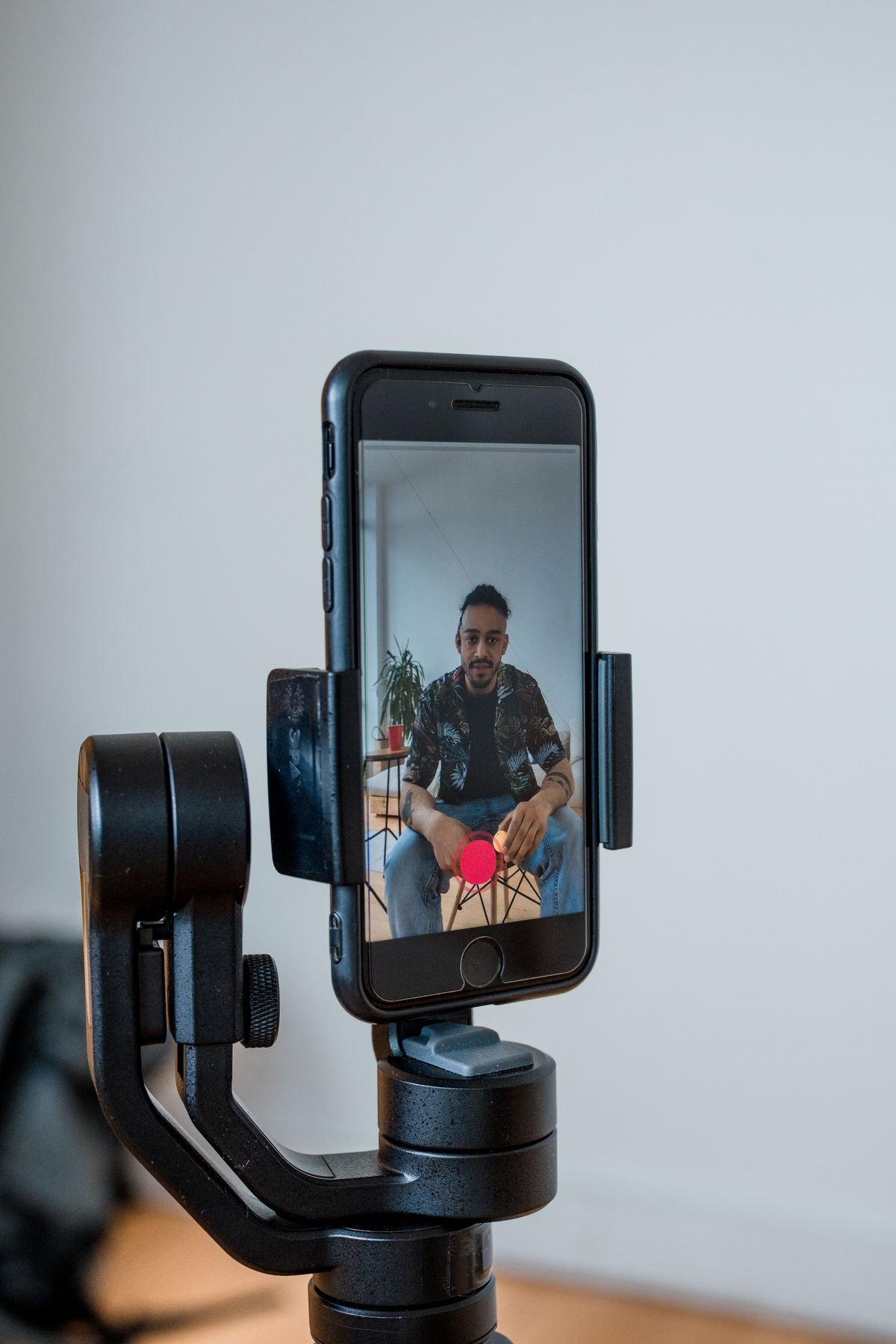
Anyone with a phone can now be a creator. The barrier to making a video has never been lower: a smartphone, a ring light, and a free editing app are enough to reach millions of people. This has created a new kind of celebrity — ordinary people who become famous overnight because one video struck a chord. Some turn that moment into a career, building an audience and working with brands. Others simply enjoy their fifteen minutes of fame and move on.
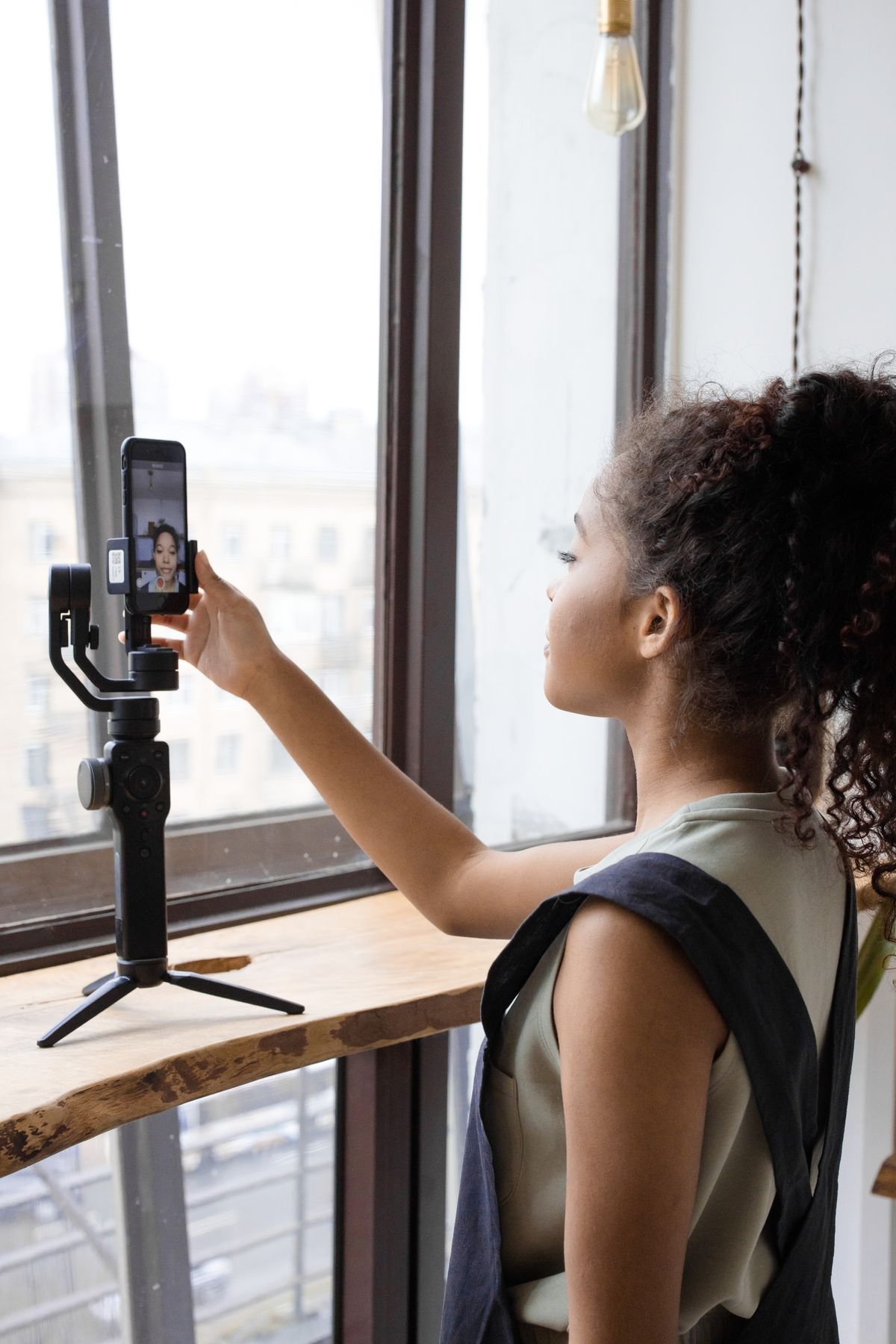
What is remarkable is how little separates a viral creator from their audience. Unlike traditional television stars, viral creators feel like people we know. They film in their bedrooms, they reply to comments, and they share their mistakes as well as their successes. That closeness is a big part of why their videos spread: viewers feel like they are supporting a real person, not a distant celebrity.
How Short Video Changed Everything
The rise of short video has changed what we watch and how we watch it. A decade ago, online video meant sitting down to watch something for ten minutes or more. Today, most of us watch dozens of short clips in a single session, swiping from one to the next. Our attention has adapted to the format: we expect to be entertained immediately, and we move on the moment we are bored. Creators have adapted too, packing jokes, information, and surprises into clips that are often less than a minute long.
Short video has also changed what becomes famous. A song can become a hit because of a dance trend. A small business can sell out because of a single honest review. A local news story can reach the whole world because someone filmed it on their phone. The gatekeepers are gone: the audience decides what matters, one view at a time.
The Dark Side of Going Viral
Going viral is not always fun. Creators who go viral overnight can face intense scrutiny, unwanted attention, and harsh comments. Videos can be taken out of context, remixed into something the creator never intended, or used to spread misinformation. And the pressure to repeat a viral success can be exhausting. If you ever share a video, it is worth pausing for a moment to check where it came from and whether it is fair to the people in it.
Conclusion
Viral videos take over social media because they are built for the way we actually behave online: short, emotional, surprising, and easy to share. Algorithms amplify them, but people are the real engine — we watch, we react, and we pass them on because sharing is how we connect. The next viral video is already being filmed somewhere, by someone with a phone and an idea. When it reaches your feed, you will know exactly why you cannot stop watching — or sharing. Buzzella covers the viral videos and stories everyone is talking about, so check back to see what takes off next.